
Simple, proven techniques that actually work — no prescription needed, no complicated routines, just real strategies rooted in science and lived experience.
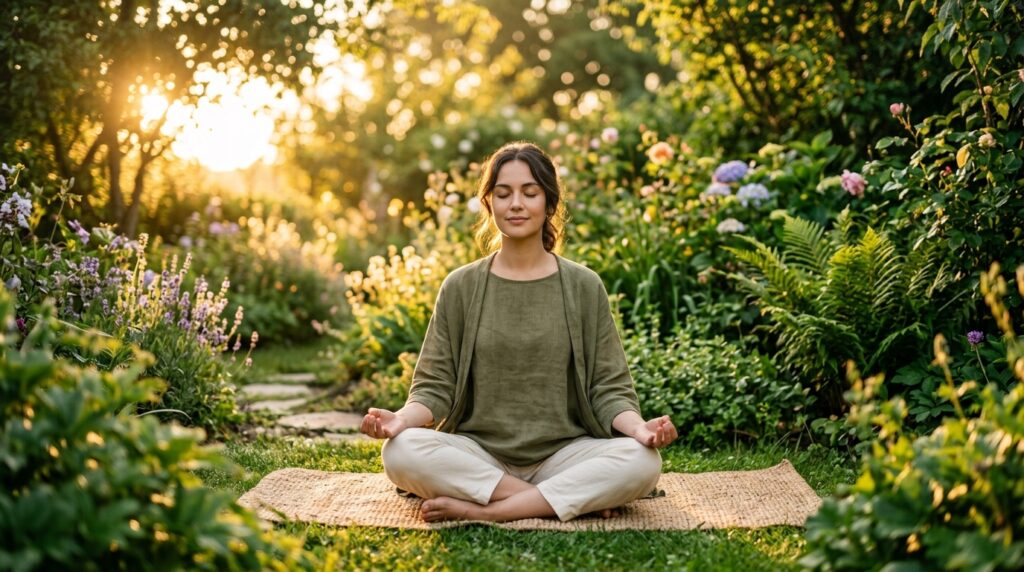
Taking even 10 minutes in nature can noticeably lower cortisol levels
Let me be straight with you — stress is not always the enemy. A little bit of it keeps us sharp, motivated, and alive in a very literal sense. But the kind of stress most of us are carrying around? The low-grade, background hum of worry that follows you from your morning alarm all the way to your 2 a.m. ceiling-staring session? That kind is silently wrecking your health, your sleep, and your relationships.
I have tried the deep breathing apps. I have made the vision boards. I have downloaded and promptly deleted at least four meditation apps. And somewhere along the way, I actually found what works — not as a cure, but as a consistent, natural set of tools that I reach for before I reach for anything else. This article is my honest attempt to share those with you.
No medication. No expensive therapy packages (though therapy is wonderful when you can access it). Just approachable, evidence-backed ways to bring your nervous system back to something that feels like home.
Why Stress Hits So Hard in the First Place
Before you can fix something, it helps to understand it. When your brain perceives a threat — whether that’s a lion in the savanna or an angry email from your boss — it triggers the same ancient alarm system. Your body floods with cortisol and adrenaline. Your heart rate jumps. Digestion slows down. Every non-essential system takes a back seat so you can sprint or fight.
The problem is, that system was designed for short bursts of danger, not for a 40-hour work week, a mortgage, and a constant social media feed. When it never switches off, it begins to wear you down at the cellular level. Chronic stress is now linked to everything from heart disease to IBS to premature aging.
“Stress is not in your head — it is in your body, your hormones, and your nervous system. Addressing it naturally means working with those systems, not against them.”
The good news is that your nervous system is remarkably trainable. The techniques below are not tricks or hacks — they are ways of communicating with your biology in a language it already understands.
Breathwork: The Fastest Reset You Have Access To
Here is something wild — your breath is the only autonomic function you can consciously control. Your heart rate, digestion, and hormone release happen without you asking. But your breath? You can grab the wheel any time, and when you do, the rest of the nervous system pays attention.
The 4-7-8 Technique
Inhale for 4 counts. Hold for 7. Exhale for 8. The extended exhale activates your parasympathetic nervous system — the “rest and digest” mode that is the opposite of fight-or-flight. Do it three or four times and you will genuinely feel a shift. Not a placebo. A physiological gear change.
Box Breathing (Used by Navy SEALs)
Breathe in for 4. Hold for 4. Out for 4. Hold for 4. This one is particularly good for high-pressure moments — before a presentation, after a difficult phone call, or when your jaw is so tightly clenched you realize you have been stress-eating air.
1. Find a quiet spot (or not)
Breathwork works everywhere — your car, the bathroom, a park bench. You do not need a cushion or incense.
2. Start with just 3 minutes
Research shows even brief, intentional breathing sessions reduce cortisol and lower blood pressure measurably.
3. Do it before bed
Nighttime breathwork is one of the most underrated tools for combating the racing thoughts that keep you staring at the ceiling.

Movement as Medicine: What Exercise Actually Does to Stress
You have probably heard that exercise reduces stress. But the why is important enough to mention, because once you understand the mechanism, you stop seeing it as a chore and start seeing it as direct self-defense against cortisol.
Physical movement burns off the excess adrenaline that stress produces. It also releases endorphins and, crucially, a protein called BDNF (brain-derived neurotrophic factor), which literally repairs and grows new brain cells — particularly in the hippocampus, the area responsible for regulating your stress response.
🚶 Walking (especially outside)
A 20-minute walk in nature reduces activity in the prefrontal cortex — the part of the brain linked to rumination and overthinking.
🧘 Yoga & Stretching
Yoga combines movement, breathwork, and mindfulness into one practice. Studies show it lowers cortisol, reduces anxiety, and improves sleep quality.
💪 Strength Training
Lifting weights gives the body a healthy outlet for stress hormones and builds a sense of control and accomplishment that naturally lifts mood.
💃 Dancing (yes, really)
Unstructured movement to music — even alone in your kitchen — has been shown to reduce stress more effectively than many structured workouts.
The point is not that you need a six-day gym routine. Even a 15-minute walk after dinner can meaningfully shift your cortisol levels. Consistency matters far more than intensity when you are dealing with chronic stress.
What You Eat (and Drink) Is Quietly Running Your Mood
The gut-brain axis is one of the most fascinating areas of modern neuroscience, and it is also one of the most practical when it comes to stress management. Your gut produces roughly 90% of your body’s serotonin. Which means what you feed it directly influences how you feel, how you respond to stress, and how well you sleep.
🌿 Nutritional Note
Magnesium is often called “the relaxation mineral” — and most people are deficient in it without knowing it. Foods like dark chocolate, spinach, pumpkin seeds, and almonds are excellent natural sources. Chronic stress actually depletes magnesium, creating a cycle worth breaking.
A few changes that make a real difference:
Cut back on caffeine after noon. This one is hard to hear, but caffeine elevates cortisol. If you are already stressed and anxious, that third coffee is working against you, not for you.
Prioritize fermented foods. Yogurt, kefir, kimchi, and sauerkraut feed the healthy gut bacteria that produce calming neurotransmitters. The research on the gut-brain connection here is genuinely compelling.
Watch the alcohol habit. Many people reach for a drink to “unwind,” and while alcohol initially depresses the nervous system, it rebounds hard — disrupting sleep architecture and elevating anxiety the next day. It is a short-term fix that makes the long-term problem worse.
Sleep: The Natural Stress Antidote We Keep Skipping
Here is a vicious cycle worth naming: stress ruins sleep, and poor sleep makes you more reactive to stress. Miss a few nights of deep sleep and your amygdala — the brain’s threat-detection center — becomes 60% more reactive to negative stimuli. You become more stressed by the same things that would not have bothered you when rested.

Improving your sleep hygiene is one of the highest-leverage things you can do for stress management. Some genuinely helpful habits:
1. Set a consistent wake time: Even on weekends. This is the single most powerful anchor for your circadian rhythm, and a regular rhythm means your cortisol peaks in the morning instead of at 2 a.m.
2. Dim lights an hour before bed
Bright light — especially from screens — suppresses melatonin production. A lamp-lit bedroom is genuinely sleep-supportive, not just cozy.
3. Keep your bedroom cooler than you think
Optimal sleep temperature for most people is around 65–68°F (18–20°C). A cool room signals your body it is time to go offline.
4. Try a “worry dump” journal
Before bed, write down whatever is swirling in your head. Getting it on paper (not a phone) gives your brain permission to let go for the night.
The Underrated Power of Human Connection
There is a reason solitary confinement is considered one of the harshest punishments humans can experience. We are a deeply social species, and isolation — even the subtle, modern kind where you are surrounded by people but not truly connected — is a significant stress amplifier.
Research by psychologist Sheldon Cohen found that people with diverse, active social connections were four times less likely to develop a cold when exposed to the virus than people who were more socially isolated. Social connection is not just emotionally nice — it is biologically protective.
“You do not need a hundred friends. You need a few people you can call at midnight when everything feels like it is falling apart.”
Practical ways to invest in connection without overhauling your life:
Call instead of text when you can. Hearing a voice carries oxytocin-releasing warmth that a thumbs-up emoji simply cannot replicate. Schedule social time as if it is a workout — because for your nervous system, it genuinely is. And if your social circle feels thin right now, consider that a volunteer role, a running club, or even a weekly class puts you in consistent contact with people who share an interest. Belonging does not require deep friendship. Even light, regular social contact meaningfully reduces stress hormones.
Nature, Silence, and the Simple Things We Overlook
There is a Japanese practice called shinrin-yoku — “forest bathing” — which involves simply being present in a forest, not hiking aggressively, not checking your phone, just being under the trees. It sounds almost offensively simple. And yet the research behind it is remarkably consistent: time in green spaces lowers cortisol, reduces heart rate, decreases blood pressure, and improves mood for hours afterward.

You do not need to live near a forest. A park works. A garden works. Even tending a few houseplants has been shown to lower stress markers. The theory is that our nervous systems evolved in natural environments and respond to them as inherently safe — the visual patterns of leaves, the sound of water, the unpredictable-but-gentle stimulation of wind. It is a homecoming of sorts.
Other underrated stress reducers that consistently show up in the literature:
Journaling. Not diary-style ranting, but what researchers call “expressive writing” — spending 15 minutes honestly exploring your feelings around a stressful situation. It has been shown to reduce cortisol and improve immune function over time.
Cold water exposure. A cold shower at the end of your morning routine triggers a norepinephrine release that leaves most people feeling noticeably clearer and more resilient. Start with 30 seconds. It gets easier faster than you expect.
Creative outlets. Drawing, cooking, playing music, writing — activities that produce something and require genuine focus are neurologically restorative. They pull you out of the abstract spiral of anxious thought and into the concrete present.
Building a Stress-Resilient Life (Not Just Coping)
The goal here is not just to manage stress when it hits — it is to build a life where your baseline is calmer, your recovery time is faster, and the things that used to derail you simply do not any more. That is a genuine possibility. Not through willpower, but through consistent, small investments in the systems your body already uses to stay calm.
Start with one thing from this article. Not five things, not a morning routine overhaul. One thing. Maybe it is a 20-minute walk tomorrow. Maybe it is switching your phone to night mode an hour before bed tonight. Maybe it is texting a friend you have not spoken to in a while.
Stress reduction, done naturally, is less about adding dramatic new practices to your life and more about removing the friction that keeps you locked in a high-cortisol state. It is quieter than it sounds. It is also more effective than most people realize — until they try it consistently.
Breathwork
4-7-8 or box breathing. Anywhere, anytime. Fastest natural way to activate the rest response.
🚶Daily movement
Even 15–20 minutes of walking burns cortisol and lifts mood through endorphin release.
🥗 Gut-friendly food
Magnesium-rich foods, fermented options, and less caffeine after noon make a measurable difference.
😴 Sleep hygiene
Consistent wake time, cool room, and a pre-bed journal can break the stress-sleep cycle.
👥 Social connection
Regular, even light social contact biologically reduces stress hormones. Call someone today.
🌿 Time in nature
Even a 20-minute park visit lowers cortisol. Your nervous system evolved here — it responds.
Your calm is closer than you think
Start with just one technique from this article today. Small, consistent action builds genuine resilience — naturally, quietly, and on your own terms.