

Introduction: What Nobody Tells You Before You Start
Let me be straight with you — when I first heard about intermittent fasting, I thought it was just another trend that would vanish by summer. People were throwing around words like “metabolic reset” and “fat adaptation,” and honestly, it sounded a bit much. But here I am, writing a complete guide on it, because the science genuinely surprised me, and more importantly, real people are using it and seeing real results.
Intermittent fasting — or IF, as most people call it — is not a diet in the way we usually think of diets. You’re not counting every calorie or giving up your favorite foods forever. Instead, it’s a pattern of eating. You eat during a set window of time, and then you don’t eat for the rest. Simple on paper. A little harder in practice. But absolutely doable, especially once you understand the why behind it.
This guide is written for beginners — people who are curious but a little skeptical, maybe a little overwhelmed by all the conflicting advice online. By the end, you’ll know exactly what intermittent fasting is, how it works for weight loss, which method suits your lifestyle, and how to start without feeling miserable for the first week.
“Intermittent fasting isn’t about starving yourself. It’s about giving your body the time it actually needs to do its own work.”
What Is Intermittent Fasting, Really?
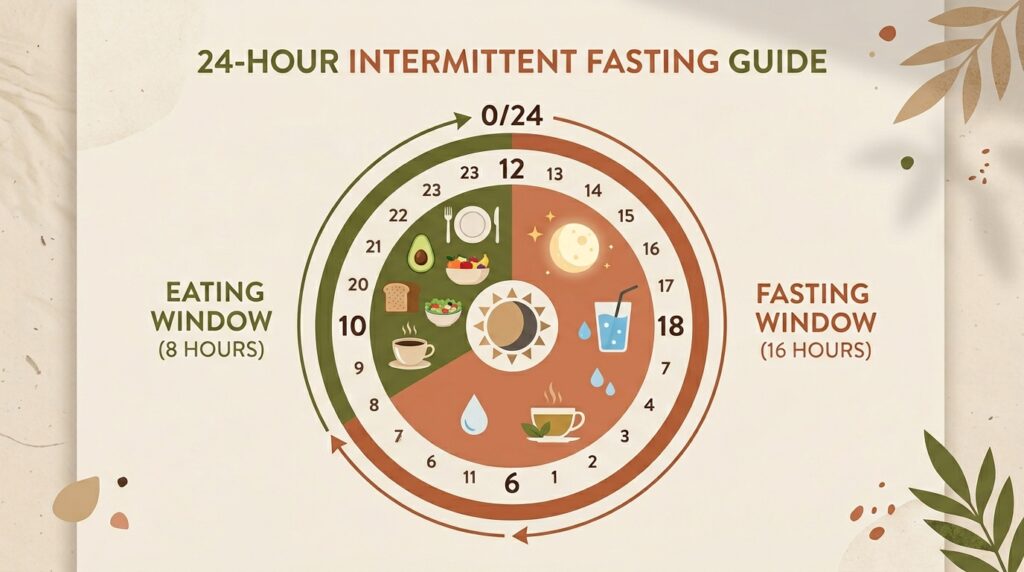
At its core, intermittent fasting is an eating schedule. Your day or week is divided into two phases: a fasting window, where you consume no calories, and an eating window, where you have your meals. That’s the whole framework.
The idea isn’t new, by the way. Humans have fasted for thousands of years — sometimes by necessity, sometimes for spiritual reasons. Our bodies are genuinely built for it. What’s new is the science now backing it up with hard data on weight loss, insulin sensitivity, and cellular repair.
When you fast, several things happen inside your body. After about 8 to 12 hours without food, your glycogen stores (stored sugar) start to deplete. Your body then shifts to burning fat for energy — a state called ketosis. Insulin levels drop significantly, which makes fat burning much more accessible. At around the 16 to 24 hour mark, a process called autophagy kicks in, where your cells basically clean themselves up and remove damaged components. That’s the deeper level of why IF has gained so much serious scientific attention beyond just weight loss.
The Most Popular IF Methods (And Which One Is for You)
There’s no single way to do intermittent fasting. Different schedules work for different lifestyles. Here are the most common ones and what makes each unique.
16:8 Method
Fast for 16 hours, eat within an 8-hour window. Most popular. Example: eat 12pm–8pm daily. Great starting point for beginners.
5:2 Method
Eat normally 5 days a week. Restrict to 500–600 calories on 2 non-consecutive days. Good for those who prefer weekly flexibility.
OMAD (One Meal a Day)
You eat one large meal per day. Very aggressive — best for experienced fasters. Not recommended for beginners.
Alternate Day Fasting
Alternate between normal eating days and fasting or very-low-calorie days. Results are strong but it’s a difficult routine to maintain.
For absolute beginners, the 16:8 method is the one I’d recommend starting with. It’s the most researched, the easiest to fit into a normal day, and it doesn’t feel like a punishment. Most people sleep through 8 of those 16 fasting hours anyway, which makes the whole thing much more manageable than it sounds.
You can shift your eating window based on your schedule. If you’re a morning person, eat from 8am to 4pm. If you tend to eat dinner with family, go from noon to 8pm. The window is yours to design.
How Intermittent Fasting Helps with Weight Loss
Here’s the honest explanation of why it works — and it’s more nuanced than “you just eat less.”
First, yes, you do tend to eat fewer calories overall when you compress your eating into a shorter window. There’s simply less time to snack mindlessly. But that’s not the only mechanism. When your insulin levels drop during fasting, your body becomes far more efficient at accessing and burning stored fat. High insulin, which happens every time you eat — especially carbohydrates — essentially locks your fat stores away. Fasting gives insulin a chance to come down, which unlocks those stores.
Second, IF improves your metabolic rate in some cases, not decreases it — which is the opposite of what most crash diets do. Studies have shown that short-term fasting can actually boost metabolism slightly due to increased norepinephrine, a hormone that signals fat cells to break down.
Third, there’s the behavioral angle. Many people report that IF helps them become more intentional about food. You stop eating out of boredom or habit. You become more present around mealtimes. That psychological shift alone can transform your relationship with eating.

What You Can (and Can’t) Have During the Fasting Window
This is where a lot of beginners get confused, and understandably so. Here’s a clean and simple breakdown.
What’s allowed during fasting hours: Water is your best friend — drink plenty of it. Black coffee (no sugar, no milk) is fine and actually helps suppress hunger. Plain herbal or green tea works well too. Some people allow a small splash of lemon in their water, which is generally considered acceptable.
What breaks your fast: Anything with calories breaks the fast. That includes milk in your coffee, flavored water with sugar, fruit juices, protein shakes, and obviously any food. Even a handful of almonds counts.
What about supplements? Most plain supplements (vitamins, minerals without calories) are fine to take during a fasting window. But if your supplements are gummy-based or coated in sweetened gel capsules, check the label — they may contain enough sugar to disrupt your fast.
Practical Tip
If hunger hits hard during your fasting window, drink a large glass of water and wait 15 minutes. Most hunger waves pass within that window. Your body is often thirsty, not hungry — especially in the morning.
Your First Week on IF: What to Expect
Let’s be honest about the first few days, because glossing over this is why many people quit before they see results.
Days one through three can feel rough. You may experience headaches, irritability, difficulty concentrating, and — yes — hunger. This is normal. Your body is running on habit, and it’s used to getting a signal of food at certain times. When that signal doesn’t come, it protests.
By day four or five, most people notice a distinct shift. The hunger becomes more manageable. Energy levels start to stabilize. Some people even report feeling more mentally sharp in the morning fasted state — a common side effect of mild ketosis, which increases the production of ketone bodies that the brain runs very efficiently on.
By the end of week one, most beginners have adjusted well enough that fasting feels routine rather than tortuous. The key is consistency — don’t skip your eating window or go much longer than your intended fast during this adjustment phase.

Common Mistakes Beginners Make (and How to Avoid Them)
A few missteps are so common they deserve their own section.
Overeating during the eating window
Because you’ve been fasting, it’s tempting to reward yourself with large, heavy meals. This is probably the most common mistake and it defeats much of the purpose. Your eating window should still contain balanced, nourishing food — not an all-you-can-eat buffet. The goal is not to restrict and then binge — it’s to normalize your overall intake and improve your relationship with hunger cues.
Choosing the wrong window for your lifestyle
If you love breakfast and hate missing it, don’t force yourself into a noon-to-8pm window just because it’s popular. Customize your schedule to your actual life. Social dinners, family meals, work schedules — factor all of it in. A sustainable window beats a “perfect” window you’ll abandon in ten days.
Not drinking enough water
Dehydration mimics hunger. Many of the early fasting headaches and energy dips come down to not drinking enough water, especially since you’re no longer getting water from food during fasting hours. Aim for at least 2 to 3 liters of water throughout the day.
Expecting dramatic results in week one
Some people see a drop of 2 to 4 pounds in the first week — much of that is water weight and glycogen reduction, not fat. Real, sustained fat loss takes time. If you give IF at least four to six weeks before evaluating whether it’s working, you’ll have a much fairer picture of your progress.
Who Should Be Careful (or Avoid IF Entirely)
Intermittent fasting is not for everyone, and it’s important to say that plainly.
If you are pregnant or breastfeeding, IF is not appropriate — your body needs consistent caloric and nutritional support during these phases. If you have a history of eating disorders, the structure of fasting and restricted eating windows can sometimes trigger disordered thinking around food, and IF should only be approached with professional guidance, if at all.
People with diabetes — particularly Type 1 — should consult their doctor before attempting any fasting protocol, as blood sugar management becomes significantly more complex. Those on medications that require food intake at specific times should also check with their healthcare provider first.
If you’re an athlete with high daily caloric demands, IF can work but requires careful planning to ensure you’re meeting your energy and protein needs within your eating window.
For most healthy adults without pre-existing conditions, IF is considered safe. But as with any significant lifestyle change, it’s wise to speak with your doctor before starting, particularly if you’re taking any medications.
Putting It All Together: Your Starter Plan
Here’s a simple plan to get you started this week without overthinking it.
Choose your method: Start with 16:8. Pick an eating window that aligns with your normal schedule — most beginners find 12pm to 8pm the easiest because it requires only skipping breakfast and adding a slightly earlier dinner.
Set a start date: Monday mornings work psychologically better than random mid-week starts. Give yourself the weekend to mentally prepare and do a light grocery shop for your eating window meals.
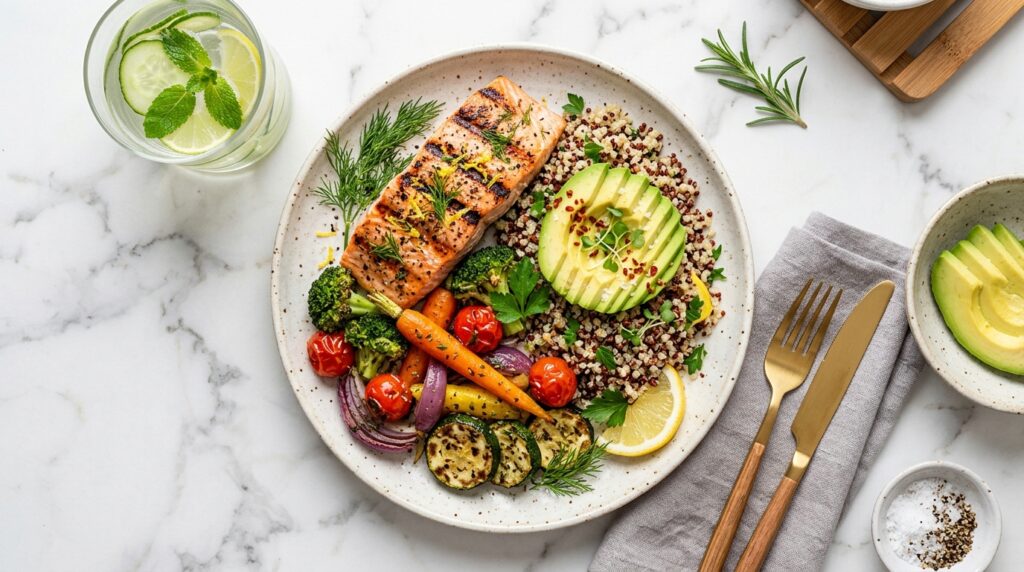
Stock your kitchen: During your eating window, focus on protein (eggs, fish, chicken, legumes), healthy fats (avocado, olive oil, nuts), and vegetables. These foods keep you full longer and support the metabolic benefits of IF.
Track your progress: Keep a simple log — not just weight, but energy, sleep quality, mood, and hunger patterns. The scale tells you one narrow story. Your journal tells you the full one.
Give it six weeks: Commit to at least 40 days before deciding whether IF works for you. The first week is adaptation. Weeks two through four are where the real changes begin. Weeks five and six are where it often starts to feel natural.

Final Thoughts
Intermittent fasting works — not because it’s magic, but because it creates structure around eating in a way that works with your biology instead of constantly fighting it. It lowers insulin, unlocks fat stores, reduces mindless eating, and for many people, genuinely changes how they think about hunger and food.
But it’s not the only path. And it’s not perfect for everyone. The best eating pattern is the one you can actually maintain — one that fits your life, respects your health, and doesn’t make you miserable.
Start small. Stay consistent. And give your body time to adjust. The results, for most beginners, follow naturally from there.
“You don’t have to be perfect. You just have to be consistent. That’s the entire secret — and it’s available to everyone.”
FAQ
Can I drink coffee during intermittent fasting?
Yes, you can — but keep it plain black. No sugar, no milk, no cream. Black coffee actually helps suppress hunger during your fasting window and gives you a gentle energy boost without breaking your fast.
How long does it take to see results with intermittent fasting?
Most beginners notice small changes within the first two weeks — less bloating, better energy, slightly looser clothes. Real fat loss becomes visible around weeks four to six. Give it at least 40 days before judging whether it’s working for you.
Will intermittent fasting slow down my metabolism?
No — and this is one of the biggest myths about fasting. Short-term fasting actually gives your metabolism a slight boost due to increased norepinephrine. It’s long-term crash dieting that damages metabolism, not intermittent fasting.
Can I exercise during my fasting window?
Yes, many people do — and some even prefer it. Light to moderate exercise like walking, yoga, or cycling works well in a fasted state. For heavy weightlifting or intense cardio, it’s better to train during or just before your eating window so your muscles get the fuel they need.